






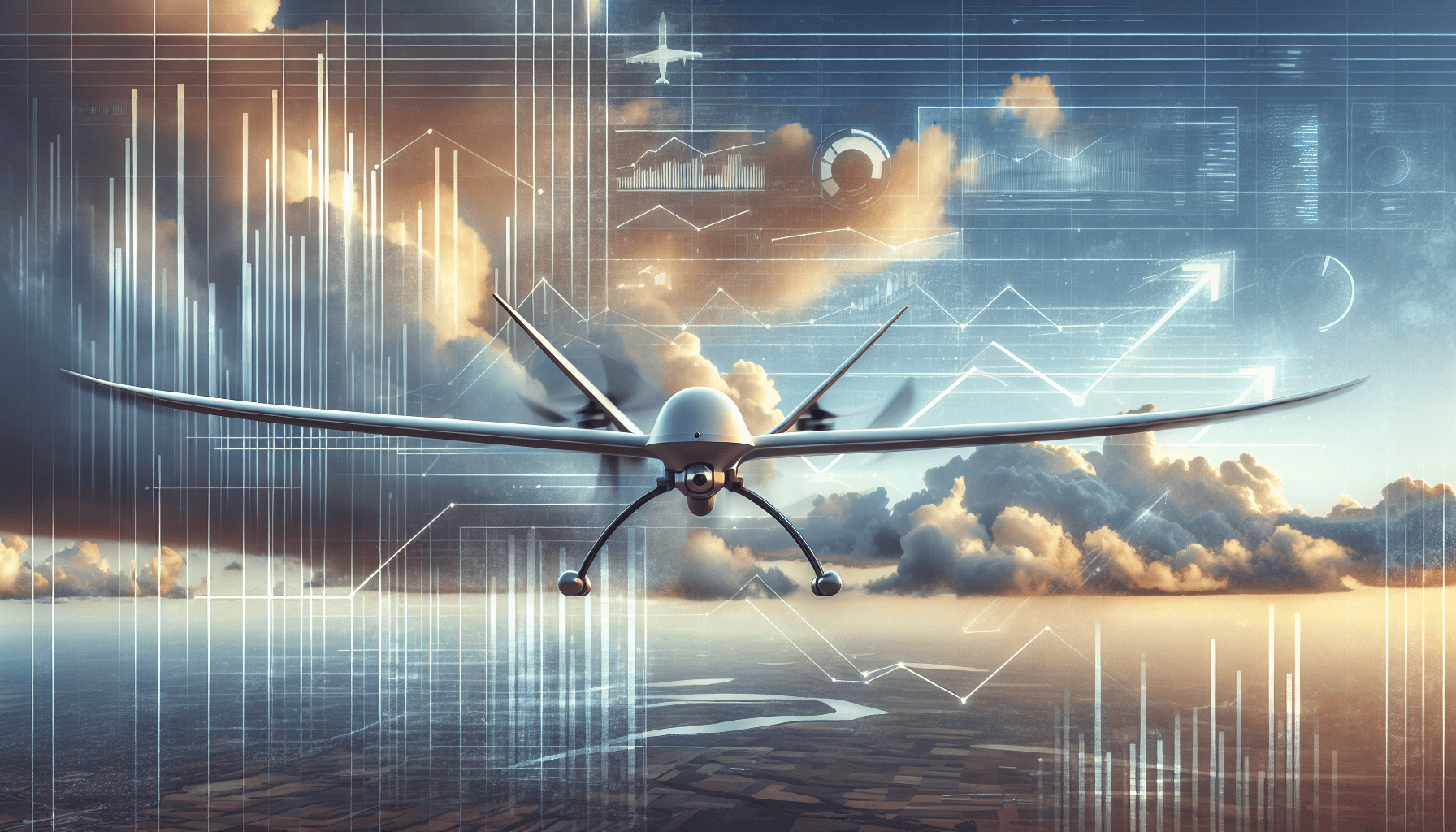






Autonomous aircraft systems developer Reliable Robotics has closed a $160 million Series B funding round led by Nimble Partners, marking one of the largest startup funding rounds this week. The Mountain View-based company is developing technology to enable fully autonomous flight operations for commercial aircraft. The substantial investment reflects growing investor confidence in the autonomous aviation sector as the industry moves toward unmanned commercial flight operations.
The funding round ties with AI finance platform Rogo's $160 million Series D as the week's largest startup raises, highlighting continued strong venture capital appetite for transformative transportation and AI technologies. Reliable Robotics' approach to autonomous aviation represents a significant shift from traditional pilot-assisted systems toward fully unmanned aircraft operations, positioning the company at the forefront of what could become a multi-billion dollar market transformation.
Major Investment in Autonomous Aviation
Reliable Robotics' $160 million Series B represents a significant milestone for the autonomous aviation industry, which has long promised to revolutionize air transportation but faced regulatory and technical hurdles. The company's approach focuses on retrofitting existing aircraft with autonomous systems rather than building entirely new aircraft designs. This strategy could accelerate deployment timelines and reduce the barriers to commercial adoption.
The funding round was led by Nimble Partners, a venture capital firm known for backing transportation and logistics technologies. The substantial investment suggests that institutional investors are becoming increasingly confident in the technical feasibility and commercial viability of autonomous flight systems. Industry observers note that this level of funding indicates the company has likely achieved significant technical milestones and regulatory progress.
Competitive Landscape in Autonomous Flight
The autonomous aircraft market has attracted significant attention from both startups and established aerospace companies, with players ranging from drone manufacturers to traditional aircraft makers investing heavily in unmanned flight technology. Reliable Robotics differentiates itself by focusing on fully autonomous systems rather than pilot-assistance technologies. The company's approach aims to enable remote operation and eventual fully autonomous flight for commercial cargo and passenger aircraft.
This week's funding environment demonstrates continued investor appetite for transformative transportation technologies. Alongside Reliable Robotics' raise, other significant funding rounds included AI platforms like Netomi's $110 million Series C and Omni's $120 million Series C, showing that investors are backing companies across multiple sectors that promise to automate and enhance human capabilities.
Technical Challenges and Market Opportunity
Developing autonomous aircraft systems requires solving complex technical challenges including navigation, obstacle avoidance, weather adaptation, and fail-safe systems that can handle emergency situations without human intervention. The regulatory environment presents additional complexity, as aviation authorities worldwide maintain strict certification requirements for aircraft systems. Reliable Robotics must demonstrate not only technical capability but also safety standards that meet or exceed those of human-piloted aircraft.
The market opportunity for autonomous aviation extends across cargo delivery, passenger transport, and specialized applications like emergency response and remote area access. Industry analysts estimate that autonomous aircraft could reduce operational costs by eliminating pilot requirements while potentially improving safety through consistent, algorithm-driven decision-making. The COVID-19 pandemic accelerated interest in contactless delivery and transportation solutions, further expanding the addressable market for autonomous flight systems.
Broader Funding Trends in Autonomous Systems
Reliable Robotics' substantial funding round reflects a broader trend of significant venture capital investment in autonomous systems across multiple industries. This week alone saw major funding rounds for AI-powered platforms, with companies like Hightouch raising $150 million in Series D funding and Ray Therapeutics securing $125 million for biotech applications. The pattern suggests that investors are increasingly comfortable backing companies that promise to automate complex, high-value processes.
The autonomous systems market is experiencing convergence across aviation, automotive, maritime, and industrial applications, with similar underlying technologies for navigation, sensor fusion, and decision-making. Companies that can successfully demonstrate autonomous capabilities in one domain often find opportunities to expand into adjacent markets. This cross-pollination of technology and expertise is accelerating development timelines and creating platform companies with multiple revenue streams.
We're seeing unprecedented investor interest in autonomous systems that can transform entire industries, and aviation represents one of the most promising frontiers for this technology.
Future Outlook for Autonomous Aviation
The next phase of development for Reliable Robotics will likely focus on expanding flight testing, pursuing additional regulatory approvals, and demonstrating commercial viability with early customers. The company will need to balance rapid technology development with the methodical safety validation required in aviation. Success will depend on the ability to work closely with regulators, airlines, and aircraft manufacturers to integrate autonomous systems into existing aviation infrastructure.
The autonomous aviation industry stands at an inflection point where technical capabilities are beginning to meet regulatory acceptance and market demand. With substantial funding now in place, companies like Reliable Robotics have the resources to advance through the lengthy certification processes required for commercial aviation. The next 18-24 months will be critical in determining which companies can successfully navigate the transition from technology demonstration to commercial deployment in one of the world's most regulated industries.
Sources
- https://news.crunchbase.com/venture/biggest-funding-rounds-ai-autonomy-biotech-anthropic/
- https://vcnewsdaily.com
- https://techfundingnews.com
- https://www.youtube.com/watch?v=fOukXNBqVjM
- https://www.seedtable.com/funding-rounds/recent
- https://news.crunchbase.com
- https://startups.gallery/news
- https://www.geekwire.com/fundings/
- https://techcrunch.com/tag/funding/
- https://techcrunch.com
- https://techcrunch.com/category/venture/
Leave a Comment