






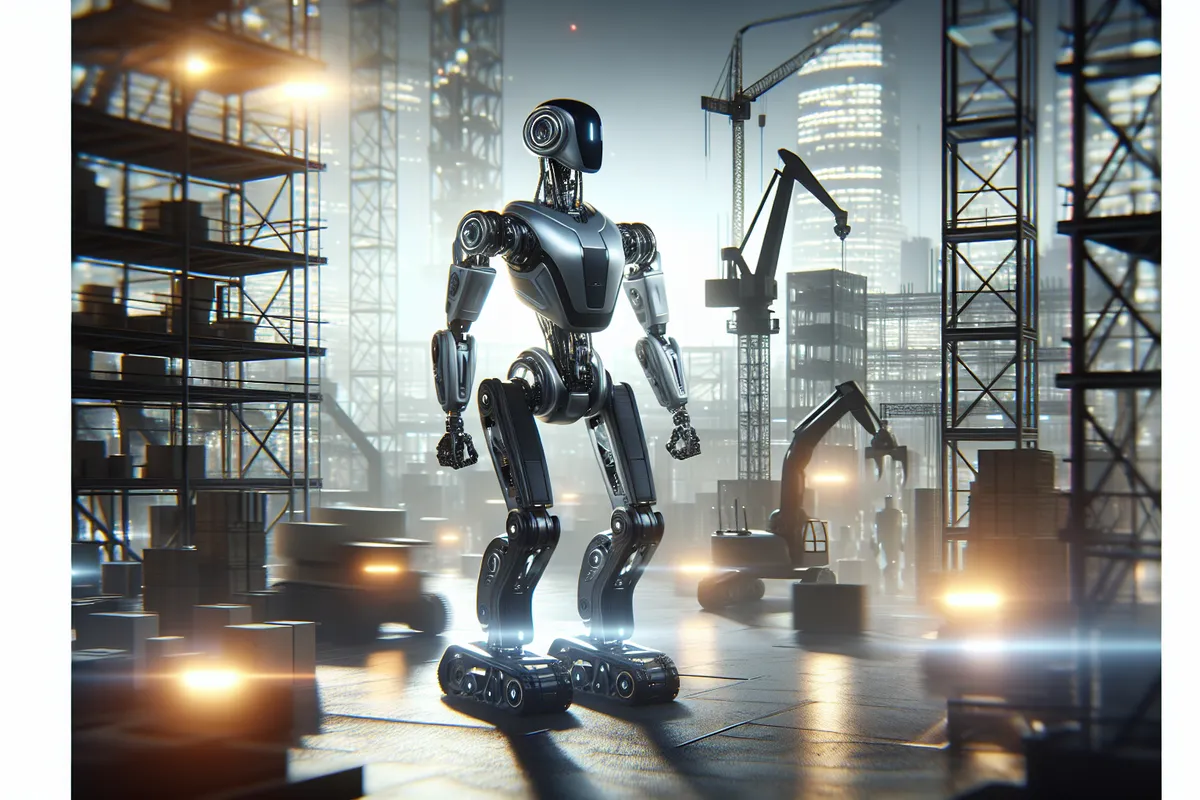
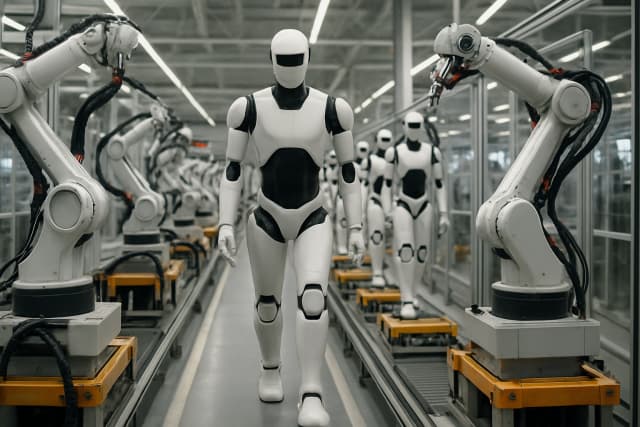
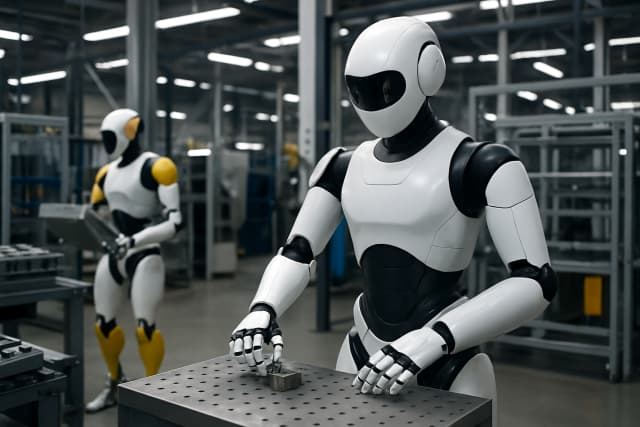
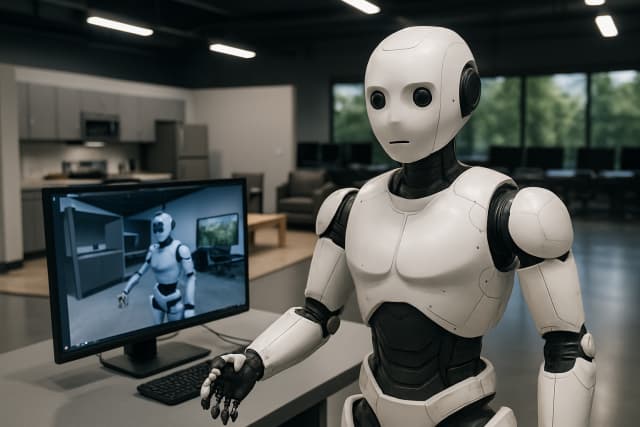
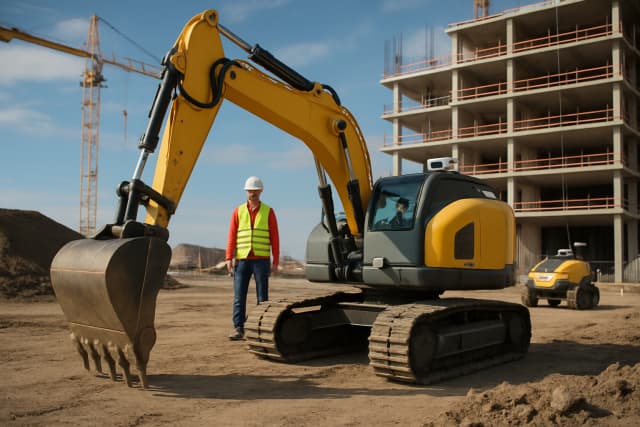



Boston Dynamics has unveiled Atlas Pro, a new generation of humanoid robots designed specifically for the construction industry. Unlike previous demonstrations that showcased impressive but impractical acrobatics, Atlas Pro is engineered for real work: pouring concrete, operating excavators, and coordinating with other robots on active job sites.
***
The construction industry is one of the least automated sectors of the global economy. Labor shortages, safety concerns, and project delays cost the industry hundreds of billions of dollars annually. Boston Dynamics believes that autonomous robots—not teleoperated machines, but genuinely autonomous ones—are the solution. And after years of impressive but commercially limited demos, they may finally have a product that works.
From Demos to Deployment
Boston Dynamics has long been the most visible robotics company in the world, thanks to viral videos of its robots doing backflips and dancing. But the company has struggled to translate that engineering prowess into commercial products. Spot, its quadruped robot, found a niche in industrial inspection, but revenue has been modest.
Atlas Pro represents a different strategy. Rather than building a general-purpose robot and searching for applications, Boston Dynamics worked directly with construction companies to identify the most valuable tasks and designed the robot around them. The result is a system that sacrifices some agility for reliability, precision, and the ability to operate heavy equipment.
What Atlas Pro Can Do
The capabilities demonstrated at the launch event were remarkable. Atlas Pro navigated an unstructured outdoor environment, including uneven terrain, scaffolding, and active machinery. It identified materials, carried loads up to 50 kg, operated a small excavator, and coordinated with two other Atlas Pro units to assemble a prefabricated wall section.
All of this was done autonomously. A human supervisor monitored the operation from a control station but did not intervene. The robots communicated with each other, dynamically reassigned tasks when one encountered an obstacle, and completed the job in roughly half the time it would take a human crew.
The Technology Stack
Atlas Pro’s autonomy is powered by a combination of technologies that have matured significantly in the past two years.
1. Perception and Mapping
The robot uses a combination of LiDAR, stereo cameras, and IMU sensors to build real-time 3D maps of its environment. Unlike previous systems that required pre-mapped environments, Atlas Pro can navigate novel spaces and adapt to changes—a critical capability on construction sites where conditions change hourly.
2. Foundation Models for Planning
Perhaps the most significant technical advance is the use of large foundation models for task planning. Atlas Pro uses a multimodal model—trained on construction manuals, engineering drawings, and thousands of hours of construction footage—to decompose high-level instructions like “assemble this wall section” into sequences of physical actions. This approach allows the robot to handle novel tasks without explicit programming for each one.
We are not replacing construction workers. We are giving them tireless, fearless teammates that can work through the night, in the rain, and in conditions too dangerous for humans.
The Market Opportunity
The global construction industry is worth over $13 trillion annually, and it faces a severe and worsening labor shortage. In the United States alone, the industry needs an estimated 500,000 additional workers to meet current demand. Aging workforces, physically demanding conditions, and high injury rates make construction one of the hardest sectors to staff.
Boston Dynamics is positioning Atlas Pro not as a replacement for human workers but as a force multiplier. The robots can handle the most dangerous and physically demanding tasks—working at height, in extreme weather, and with heavy materials—while human workers focus on tasks that require judgment, creativity, and fine motor skills.
Challenges and Skepticism
Not everyone is convinced. Construction sites are among the most challenging environments for robots—unstructured, constantly changing, and full of edge cases. Previous attempts to automate construction have largely failed, and some industry veterans are skeptical that a humanoid form factor is the right approach.
There are also regulatory and union considerations. Construction labor unions have expressed concerns about job displacement, and regulatory frameworks for autonomous robots on active construction sites are still being developed. Boston Dynamics will need to navigate these challenges alongside the technical ones.
Leave a Comment