




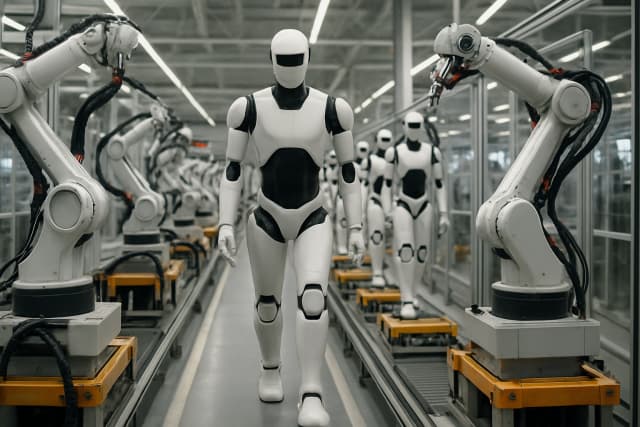

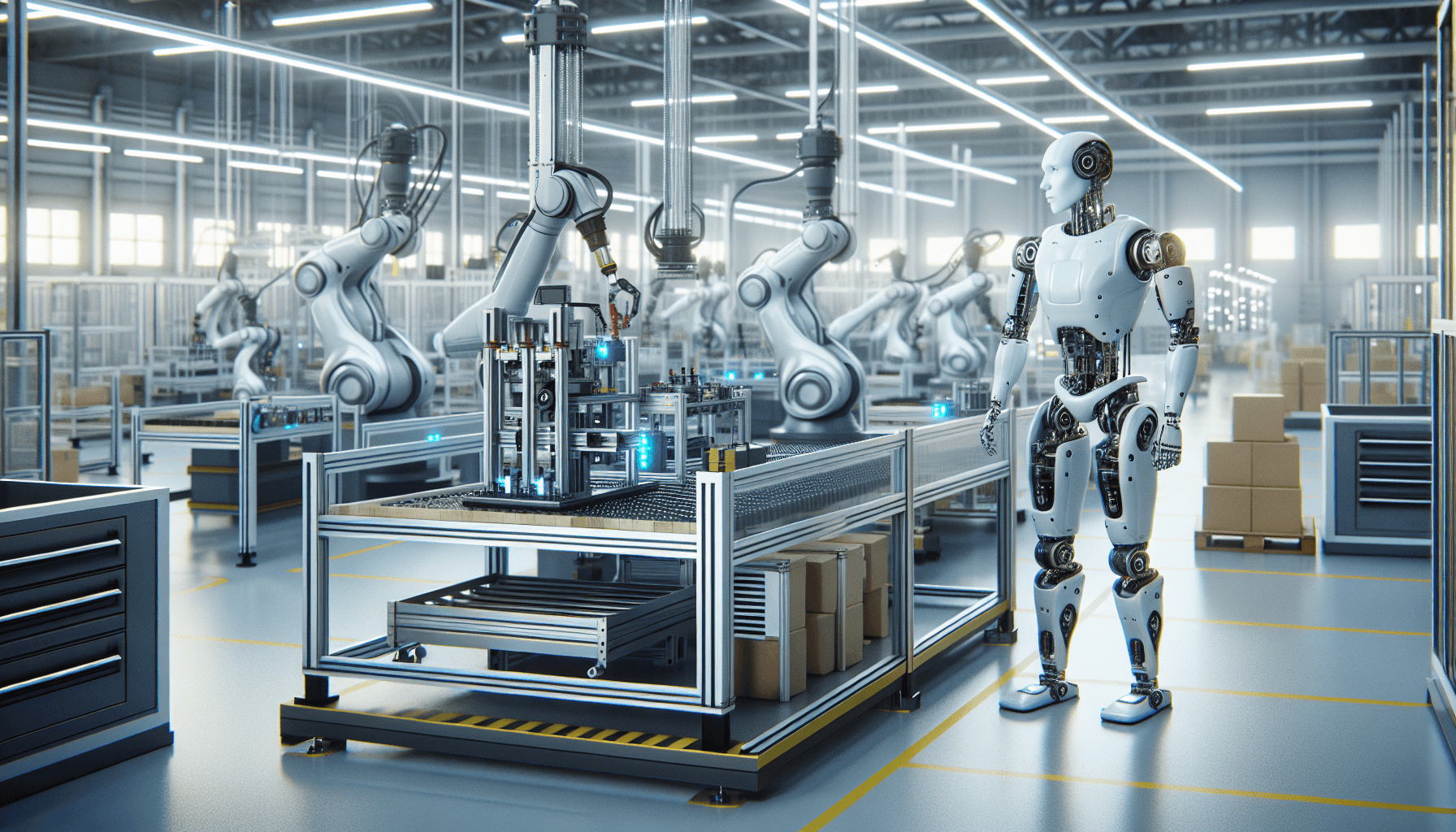



Humanoid robots have crossed from laboratory demonstrations into real manufacturing environments, with companies like Tesla, Boston Dynamics, and Agility Robotics deploying their machines in select factories across the United States and China. These bipedal workers are now handling material transport, bin picking, and assembly tasks at facilities including Schaeffler's auto parts plant in South Carolina and Hyundai's production lines. The shift represents a fundamental change from fixed industrial arms to adaptive, AI-powered robots that can work alongside humans in existing environments without major infrastructure overhauls.
The emergence of working humanoid robots marks a pivotal moment in manufacturing automation, addressing critical labor shortages while promising unprecedented flexibility in production environments. With 433,000 manufacturing jobs remaining unfilled in the U.S. as of December 2025, these versatile machines offer 24/7 operation capabilities and the ability to perform multiple tasks through vision-language-action AI systems that learn from natural language instructions.
From Pilot Programs to Production Floors
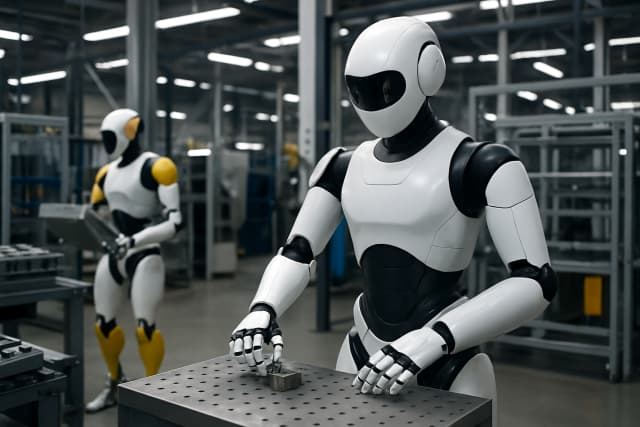
The transition from concept to commercial reality is evident at facilities like Schaeffler's automotive parts plant in Cheraw, South Carolina, where humanoid robots now handle manual tasks previously performed by human workers. Hyundai has deployed Boston Dynamics' Electric Atlas robots for hazardous material handling, while Siemens has partnered with Humanoid company to manage complex repetitive work on their production lines. Chinese manufacturer AgiBot has achieved particularly broad deployment, with their robots performing assembly, quality control, and object handling across multiple facilities.
These early deployments focus on tasks that leverage the humanoid form factor's key advantage: the ability to work in spaces designed for humans without requiring expensive facility modifications. The robots excel at autonomous material handling, bin picking, simple assembly operations, and machine tending tasks like loading and unloading CNC machines. Their vision-enabled inspection capabilities, including the use of handheld scanners, demonstrate how AI integration enables multi-modal task performance previously impossible with traditional fixed automation.
Market Leaders Define the Competitive Landscape
Tesla's Optimus Gen 2 leads the charge with improved articulation and AI learning systems trained on real-world data, targeting both industrial and domestic applications. Agility Robotics' Digit robot has achieved production deployment status in manufacturing and logistics, supported by their Arc cloud platform designed to demonstrate return on investment. Boston Dynamics unveiled their enterprise-grade Electric Atlas at CES 2026, specifically engineered for material handling and order fulfillment in demanding industrial environments.
The competitive field extends beyond established robotics companies, with Apptronik's Apollo focusing on heavy-duty precision tasks and Unitree's H1 and G1 models demonstrating capabilities in material handling and bin picking. Chinese firms like AgiBot have emerged as significant players, deploying their Real-World Reinforcement Learning systems and embodied AI robots for large-scale industrial applications. This global competition is driving rapid innovation cycles and cost reductions across the industry.
Technical Capabilities and Current Limitations
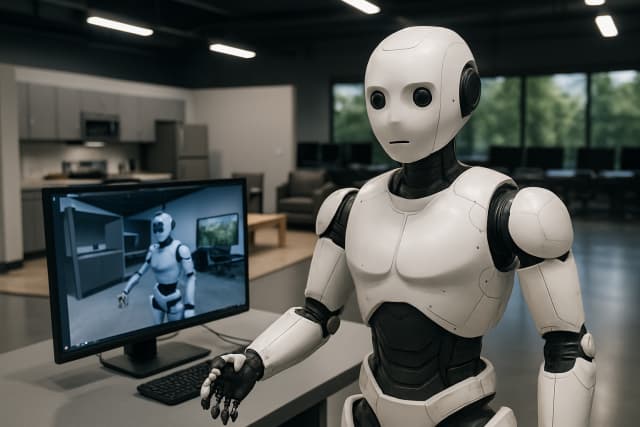
Current humanoid robots demonstrate impressive multi-tasking abilities through vision-language-action AI systems that enable learning from natural language instructions, offering unprecedented flexibility compared to traditional programmed automation. Their ability to operate continuously addresses critical workforce gaps while handling ergonomically challenging and hazardous tasks that pose safety risks to human workers. Integration with existing infrastructure represents a major cost advantage, as facilities can deploy these robots without the extensive retrofitting required by conventional robotic systems.
However, significant limitations persist that prevent widespread adoption across high-speed production environments. Humanoid robots operate considerably slower than fixed robotic arms and cannot match the cycle times required for automotive-style mass production. Reliability remains below production-grade standards, with mean time to failure rates needing substantial improvement before manufacturers will commit to full-scale deployment. Safety certification processes are still pending under ISO 10218 standards, while supply chain constraints continue to limit availability and drive up costs.
These robots offer flexibility in human-centric environments without major retrofits, addressing labor shortages with 24/7 operation capabilities.
Economic Projections and Industry Transformation
Goldman Sachs projects the humanoid robotics market will reach $38 billion by 2035, with approximately 1.4 million units deployed globally, driven by anticipated 40% reductions in manufacturing costs over the next decade. IDTechEx provides a similarly bullish forecast, predicting a $30 billion market by 2036 as deployment rates accelerate. These projections assume continued improvements in reliability, cost-competitiveness with collaborative robots, and successful completion of safety certification processes.
The medium-term outlook for 2027-2030 suggests a gradual shift toward limited production deployment in logistics and light manufacturing, contingent upon achieving improved mean time to failure rates and cost parity with existing automation solutions. Industry executives are being advised not to delay proven automation investments while waiting for humanoid technology to mature. The transformation signals a fundamental shift from fixed robotics to adaptive, AI-powered systems that promise enhanced productivity through consistent speeds and precision, while raising important questions about workforce adaptation and retraining needs.
Leave a Comment